Are Kidney Beans Good For Diabetes?
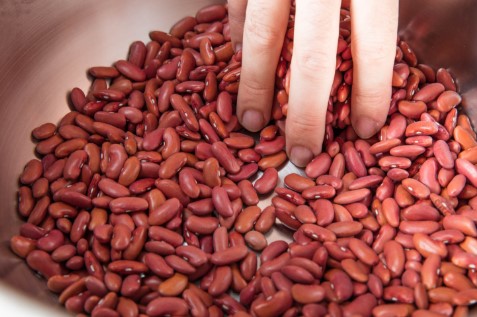
The soluble fibre and high quality carbohydrates in kidney beans make them a healthy choice for people with diabetes. They have a low glycemic index and a high fiber content, so they’re a great option for diabetics who want to keep their blood sugar levels in check. They’re also a good source of dietary protein, which is very beneficial for those who suffer from hypertension or diabetes.
A large amount of potassium is found in kidney beans. It helps the body regulate its water content and helps control blood pressure. Studies have shown that inadequate dietary potassium has been linked to high blood pressure, which can be particularly dangerous for diabetics. It can also lead to heart disease and kidney damage. Because of this, it’s important to eat plenty of potassium-rich foods. For diabetics, this is especially helpful. The nutritional value of kidney beans is considerable, providing 690 mg per cup.
The glycemic index of kidney beans makes them a great choice for people with diabetes. Their low glycemic index keeps blood sugar levels balanced and reduces the risk of developing diabetes. They also contain magnesium, which helps ensure smooth passage of air in the lungs. Too little magnesium can lead to asthma, which can lead to high blood sugar. This means that kidney beans are a healthy choice for diabetics.
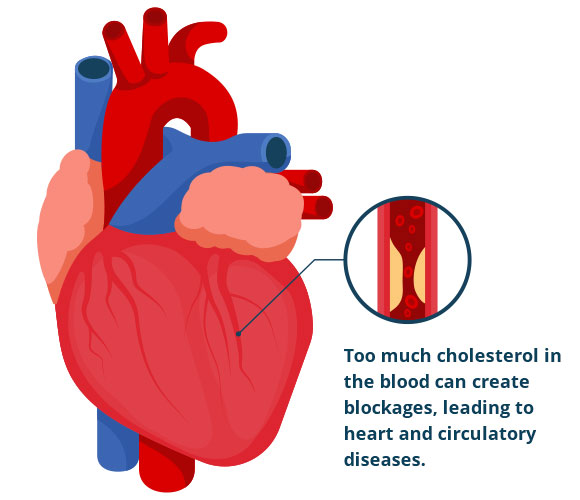
A diet rich in beans has many benefits for people with diabetes, and kidney beans are a good choice. They are high in fiber, which is crucial for diabetics. These foods also lower bad cholesterol. Additionally, they can help you manage your blood glucose and prevent the onset of type 2 diabetes. The fiber content of kidney beans is so high that it can even help prevent the onset of high blood pressure. A diet rich in legumes is an excellent choice for anyone with diabetes.
In addition to being a great food for diabetics, kidney beans are also good for your heart. They contain a wide variety of nutrients and are low-glycemic, which is ideal for people with diabetes. Aside from lowering the risk of developing diabetes, they are also good for your heart and cholesterol. But it’s important to remember that while beans are great for diabetics, they are not recommended for diabetics with high blood pressure.
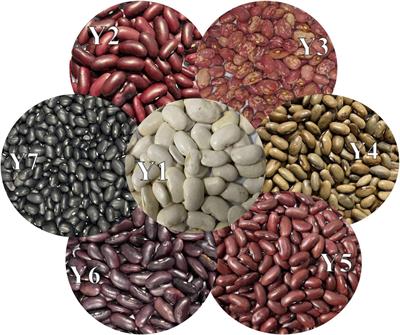
A diet rich in fiber and protein can help you manage diabetes. A high-protein diet is beneficial for people with diabetes, as it may reduce the risk of heart disease and stroke. A diet high in fiber can help you lose weight. In addition to fiber and protein, beans are also rich in dietary fiber. It helps regulate blood cholesterol levels. The fiber in beans may reduce the risk of heart disease and vascular problems.
People with diabetes should eat a lot of beans. High in fiber and low in fat, these beans are an excellent source of potassium. The fiber and potassium content of beans helps maintain a healthy weight. They also help with bowel movements and lower bad cholesterol levels. These two benefits of beans explain why they are a great choice for people with diabetes. It’s important to make sure you’re eating enough carbs to be low in sugar. Visit the Endocrinologist’s Health Blog Danita Benavante
for more helpful information about managing and preventing diabetes.
In addition to fiber, beans also contain significant amounts of potassium. The body uses potassium for many different functions, including maintaining water balance. Lack of potassium in the diet can contribute to high blood pressure, which is a serious problem for diabetics. What’s more, consuming too much of this substance can lead to other health problems, such as heart and kidney disease. When eating beans, it is important to check the amount of sodium in the body.
Beans are a great choice for diabetics. They are low in fat and high in nutrients. They have a low glycemic index and are an excellent choice for people with diabetes. People with diabetes should avoid frying with pork fat or eating high-fat baked beans. Canned beans are also cheap and have a long shelf life. They are easy to prepare and can be frozen. They are low in calories and can be used in chili recipes and soups.